TASK ONE
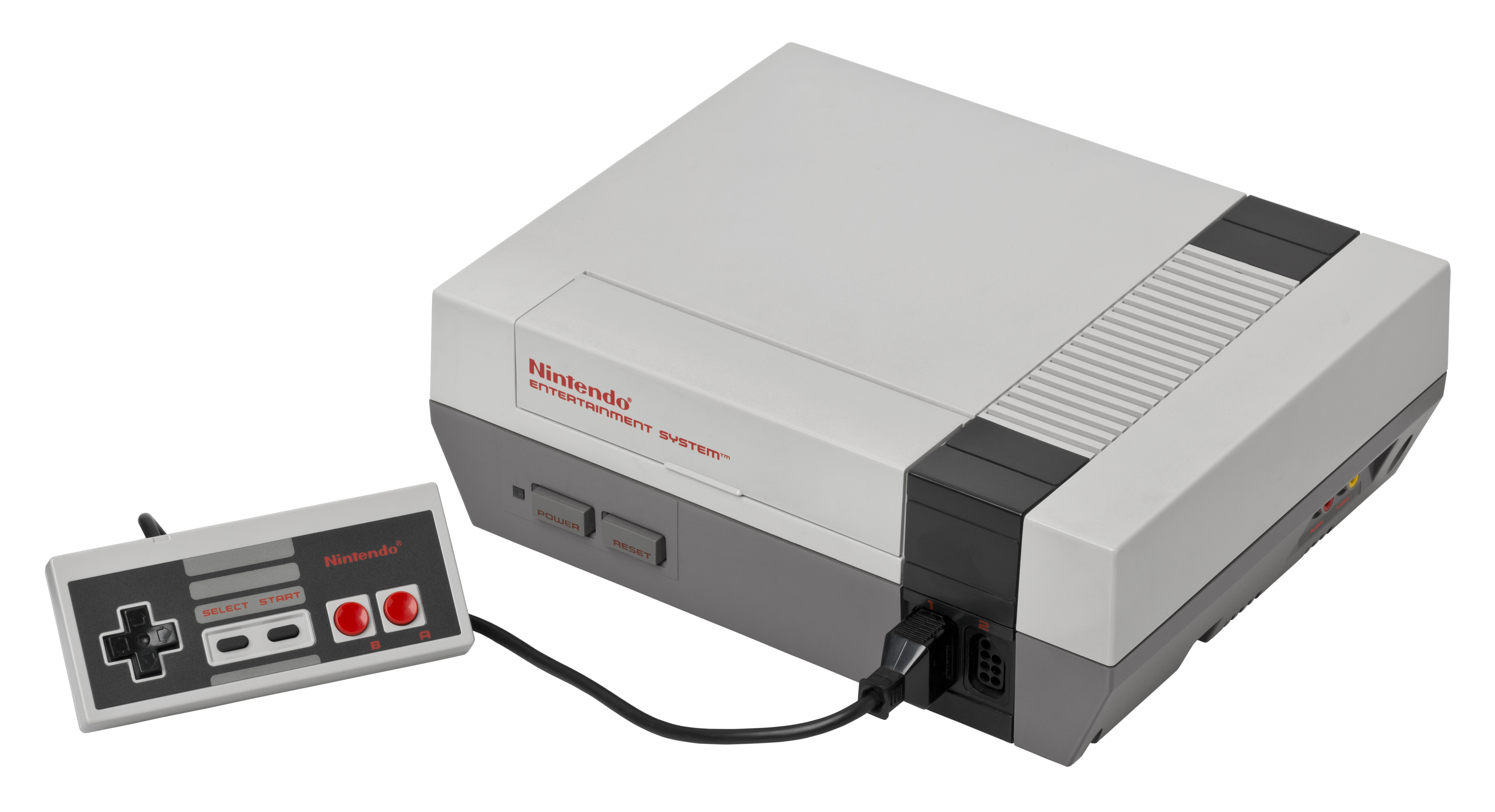
Q1:If I were a level designer in the 1980s, with the limitations of the time period, the games I would create would be simplistic platformers, maze games or puzzle games. For the platfomers I would develop something along the lines of the the classic "Donkey Kong" or "Metroid". These two games were some of the first platforming games and really set the standard in the industry. I would create a platformer for the "Nintendo Entertainment System", NES for short, which was released in July 1983. With the limitations of the hardware in mind the visuals of the game would be limited and since the controller consists of just a D-pad and two buttons the controls would be simple.
If I were to design a maze game it would be a very simplistic game with an obvious goal. The most obvious example would be "Pac-man" which was released in 1980. Pac-man showed people that simple design and simple gameplay can be fun and fulfilling. I would develop the maze game for the "Commodore 64" which was released in August 1982. The Commodore 64 used simple 8-bit graphics for the display, so a maze game would fit the console quite well, due to the walls and design of the levels.
If I were to create a puzzle game, it would have a constant gameplay mechanic with different levels to spice the game up. A good example of puzzle games in the 1980s would be "Tetris" which was first released in June 1984. I would design a puzzle game on the "Sega Genesis" which was released in 1989. The Sega Genesis used 16-bit graphics so the visuals in the game could be more appeasing to the player. As I stated before the gameplay mechanic would stay the same throughout the game, with the rest of the game relying on interesting level design.
Q2:
The first game that I played for this task was the classic "Donkey Kong" which was first released in 1981. The level system in this game is very simple and linear, get to the top of the level, proceed to next level, rinse and repeat. Each level is different from the one before and they usually add a new gameplay element, or use an old one in a new way. The environment of the game is quite bland, with a black backdrop on all the levels and the only colour being the characters and platforms.
The second game that I played was "Grand Theft Auto" which was released in October 1997 on multiple platforms. Grand Theft Auto is one of the first games to feature open world gameplay, which allows the player to do anything they wanted as long as it is within the games map. It has a few segments that drop the player into different environments, though the open world gameplay stays the same. The levels are all quite similar, though there are certain differences in each level.
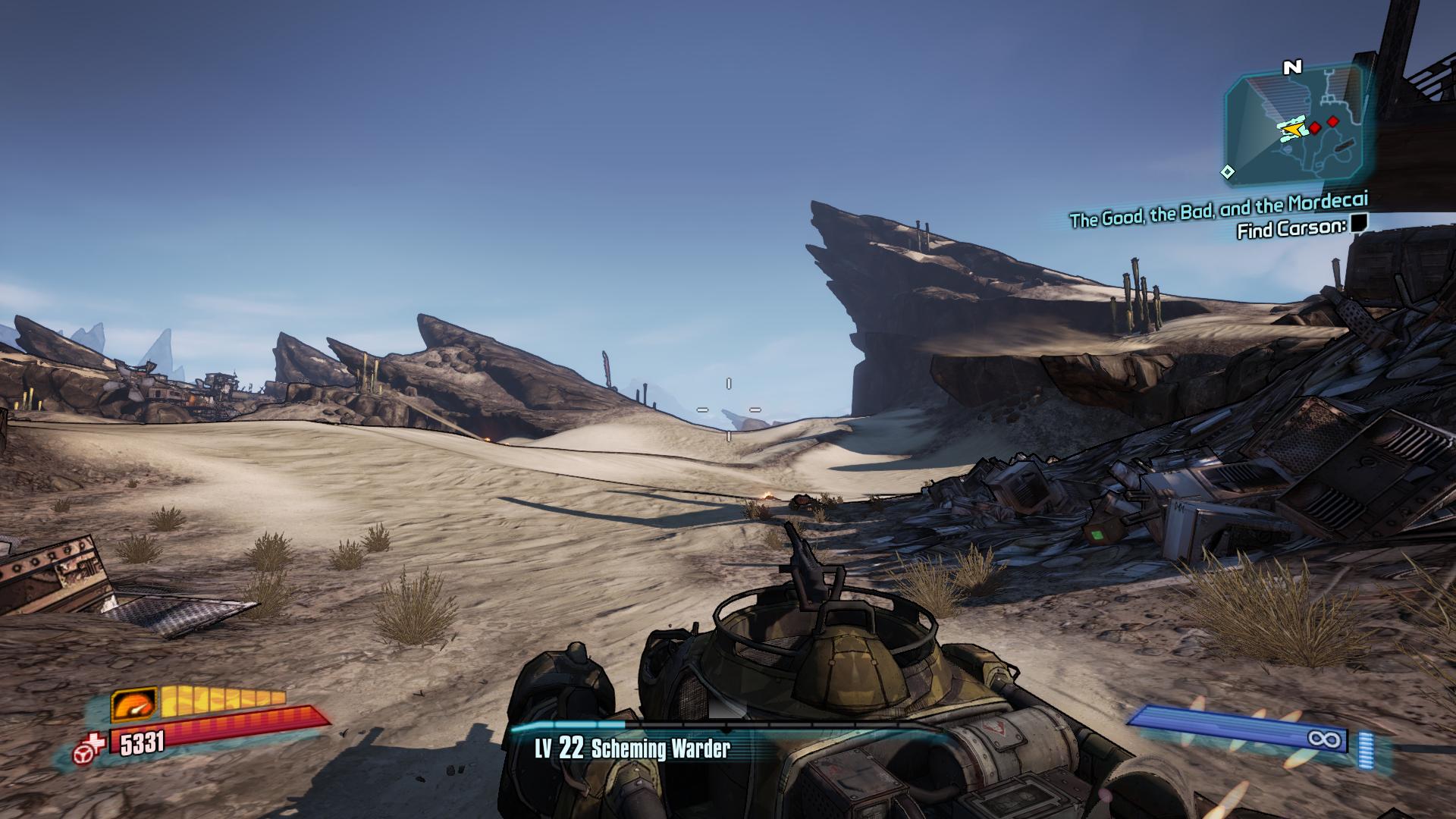
The last game that I played for this task was "Borderlands 2" which was released in September 2012. The levels in this game range from giant rocky deserts to more linear indoor sections. The player can usually navigate all of the levels in the game as they see fit, with quest markers showing where to go to progress through their task. There are exceptions to this however, as there are a few levels that are quite linear. There are multiple environments incorporated into the levels in the game, some of which range between icy tundras to deserted deserts. Compared to the other games I have reviewed, I personally enjoy the level design in Borderlands 2 more than the others.
Q3:
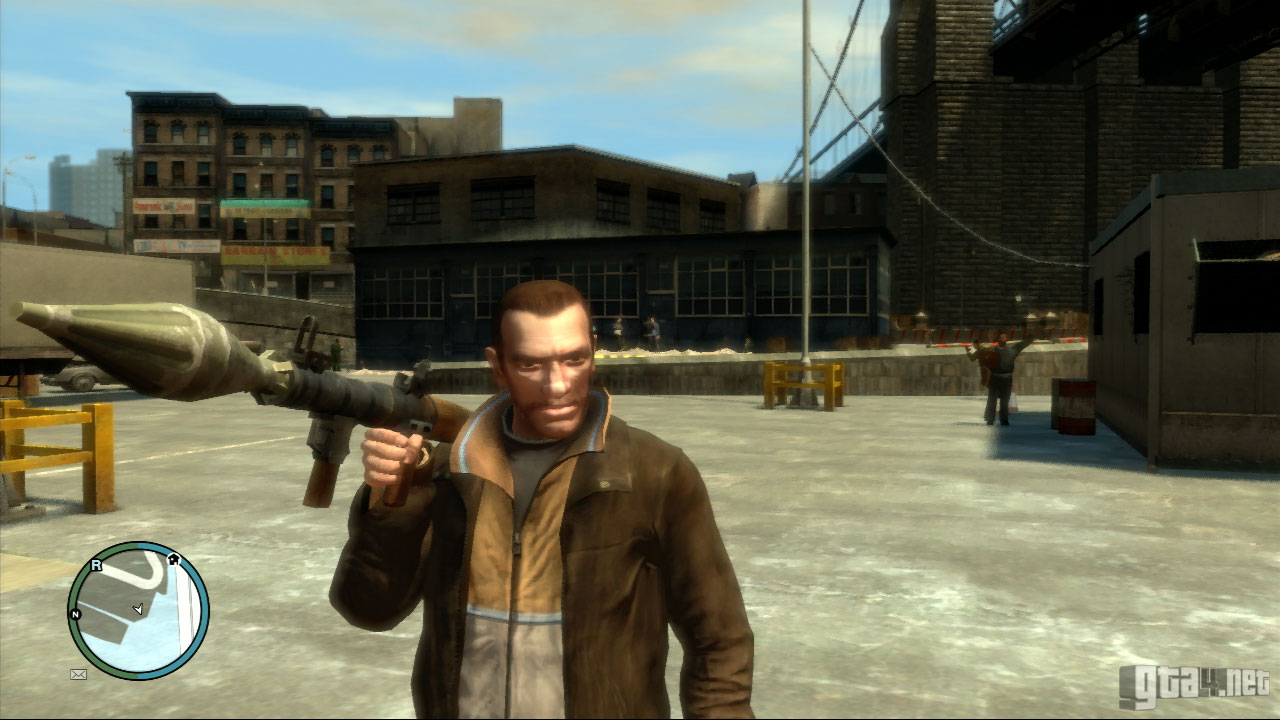
A games genre affects it's levels in quite a substantial way. For example, a sidescroller like Super Mario World is going to have linear levels while a 3rd person shooter like Grand Theft Auto IV is more likely to have an open world environment. An example of this is the plaformer "Donky Kong". It's level design is extremely linear as the player only has one direction to progress, up. Donkey Kong's levels were designed around this linearity and keeps the same simple level design while adding more and more challenges to impede the player from reaching the top and saving the princess, which is the main objective in the game.
A second example of this is the top-down roguelike game "The Binding of Isaac" which features randomly generated dungeons for the player to explore. The level structure is quite simple, get to the boss room, defeat the boss and move on to the next level. However, there are a lot of side paths that the player can, and is advised to, take, as these optional paths can provide the player with items that will help them progress through the game. The main objective of the whole game is to reach the end of the 'final' level and defeat the 'final' boss. The Binding of Isaac is quite unique with how it does this because once you defeat the 'final' boss it will let your next character in you next playthrough progress past the final boss which gives the player even more to do and offers an astounding amount of re-playability.
A third example of a game's genre effecting it's level design is the first person shooter "Team Fortress 2". Team Fortress 2's level design is completely based around team gameplay and every map displays this. There are different game modes in Team Fortress 2 and each one has it's own maps and level designs. For example, one gamemode is a variant of the classic 'capture the flag' mechanic. In maps that use this gamemode both sides of the map are designated to each team, one side for Team RED, one for Team BLU. These maps are usually mirrored, to create fairness to both teams. The main goal of the game differs from gamemode to gamemode, however every player is playing to win, so that's the main objective.
Comparing these three examples clearly shows that game genres can, and do, effect the level design. It shows that most platformers and side scrollers are pretty linear in their level design. This doesn't detract from their appeal however, as a lot of the most successful games ever are one of these genres. Comparing these examples also shows that first person shooters can have a wide variety of levels that can change depending of the genre and in the case of Team Fortress 2, it can even have a plethora of levels that are completely different depending on what gamemode you are playing.







No comments:
Post a Comment